Beginner to Dinghy Sailing
Welcome to Optimist dinghy sailing at KØS Sejlsport
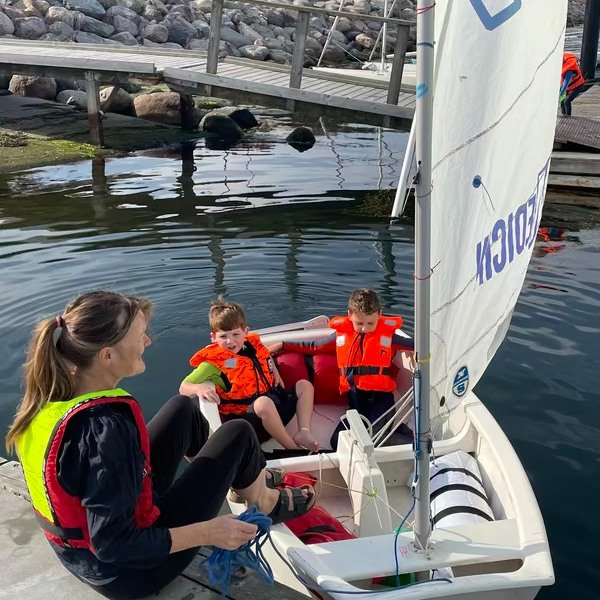
Starting sailing is a big and exciting experience – both for children and parents. For many, it's the first encounter with a whole new world of wind, water, and many new concepts. It can seem overwhelming at first, but that's completely normal. At KØS, we work to make the transition as safe and motivating as possible, so children have good experiences from day one.
🌊 Safety before technique
In the beginning, the most important thing isn't that children learn to sail perfectly, but that they feel safe on the water. Safety is the foundation for all learning in sailing.
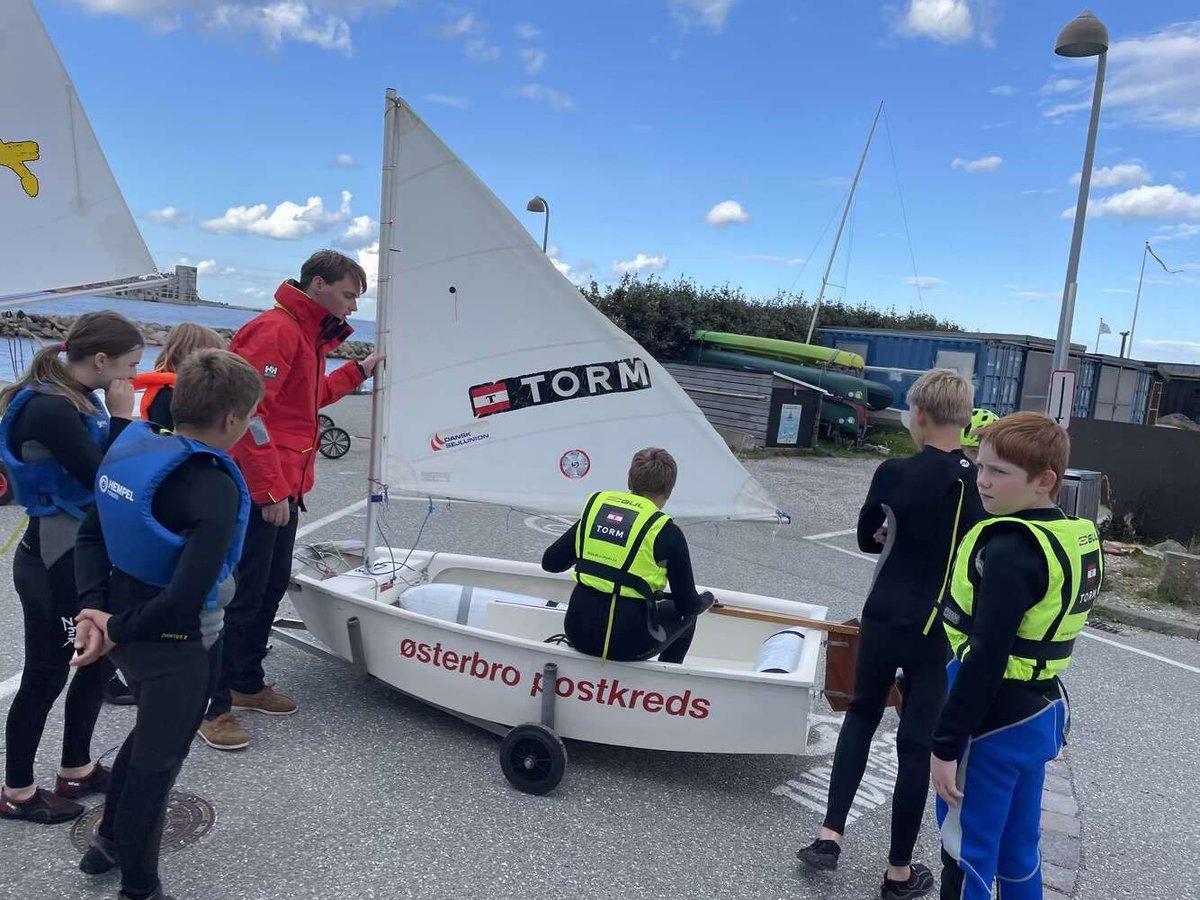
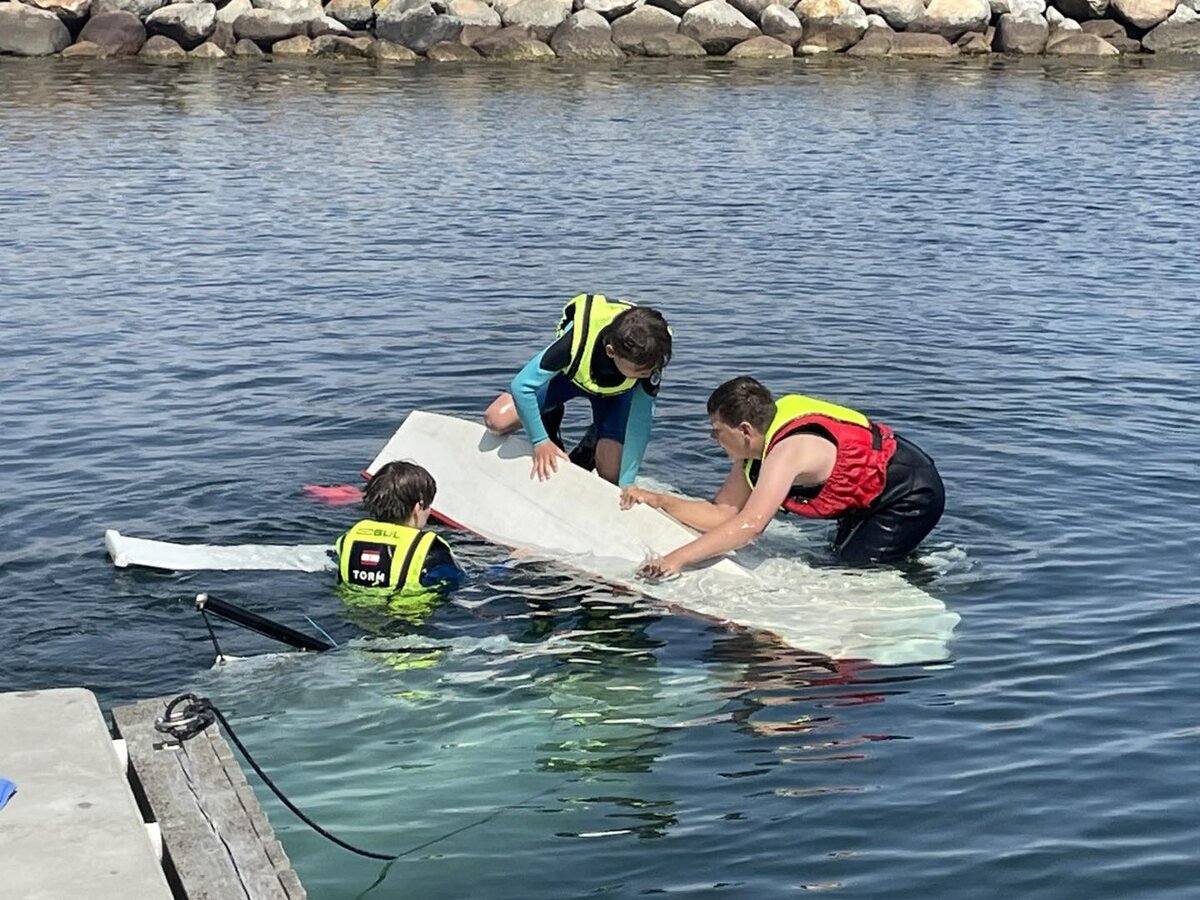
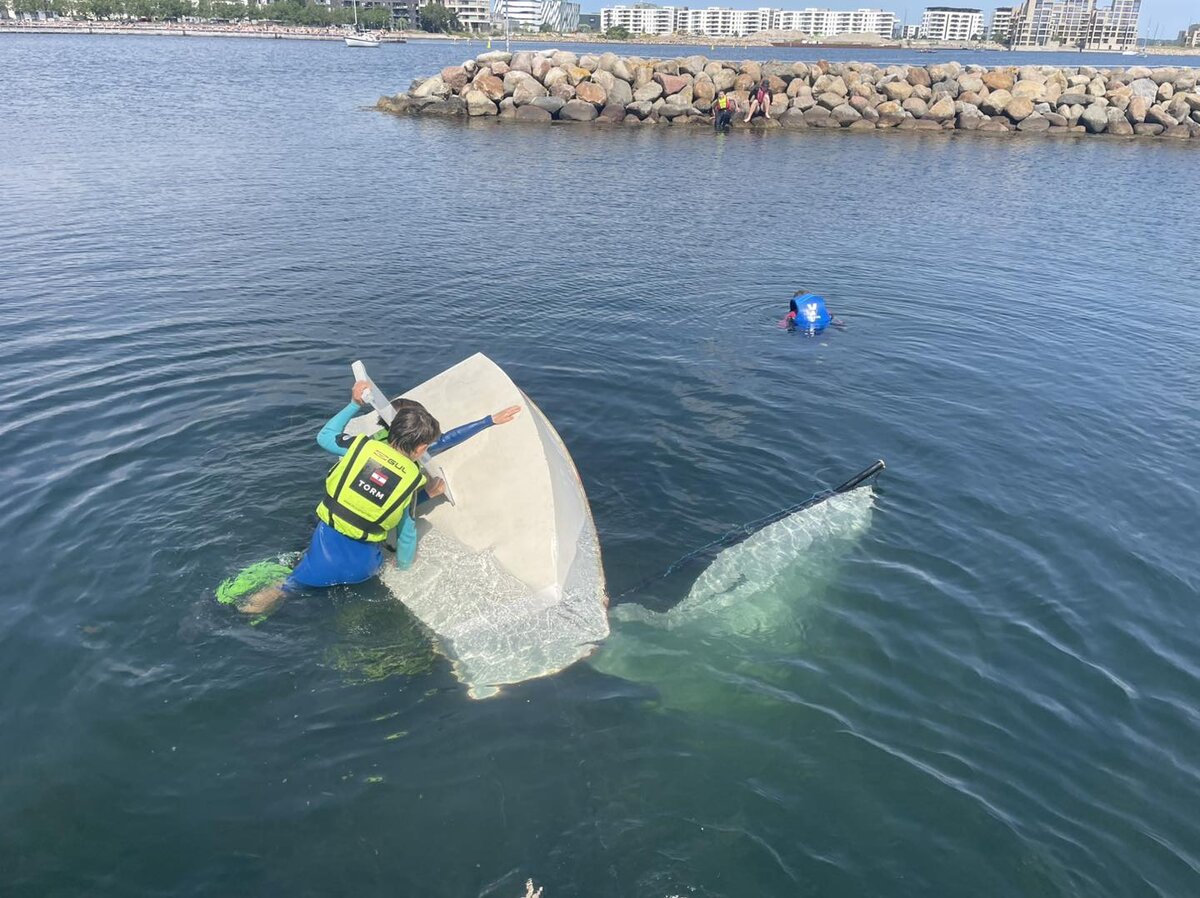
Children are gradually introduced to the dinghy and equipment, how to move safely on the water, and what to do if they capsize. We practice capsize recovery under controlled conditions, so children experience that it's something they can handle. There are always support boats on the water, and trainers are close by, so no one is alone with the experience.
⛵ It should be fun
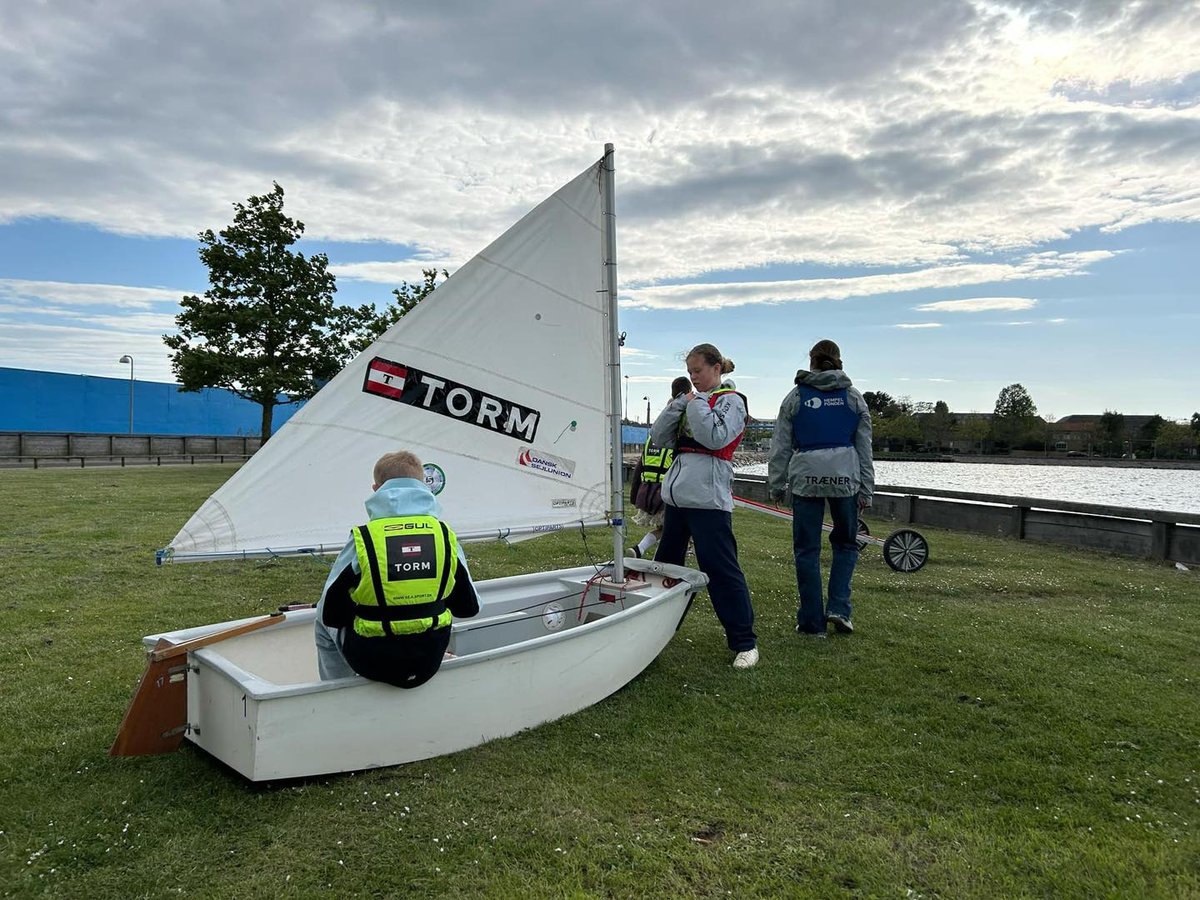
For children, joy and motivation are crucial for whether they want to continue. Therefore, training is built around play, variation, and small success experiences.
Exercises are adapted to children's levels, and there's room for differences. Some learn quickly, others need a bit more time – both are completely fine. The most important thing is that children leave training with a good experience and desire to come back.
👕 Clothing and warmth
At the club, children can borrow both wetsuits and water shoes, making it easy to get started without large investments.
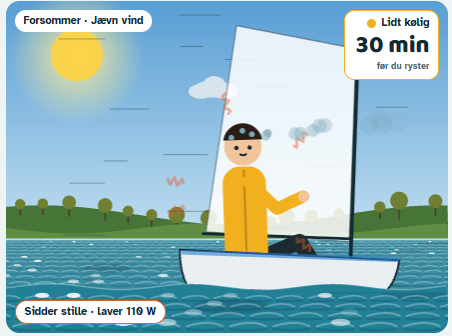
However, it's important to be aware that you can get cold – especially because wind cools you down when you're wet. Therefore we recommend a rain or wind jacket over the wetsuit, a fleece or warm sweater on cool days, and dry clothes to change into afterward. This is particularly important in the period before summer vacation when the water is still relatively cold. A child who gets cold quickly loses both energy and motivation. See for yourself how much the wind cools you (in Danish).
Wind is experienced very differently depending on experience. For beginners, even light wind can feel overwhelming, while more wind over time becomes fun and exciting. Eventually, 6–8 m/s can be some of the best sailing weather.
Wind Table
| Beaufort | Wind (m/s) | Term | How it's experienced on the water |
|---|---|---|---|
| 0 | 0 | Calm | Sea lies completely flat like a mirror without movement in water or surroundings. |
| 1 | approx. 1 | Light air | Only very weak movement in smoke or almost imperceptible ripples on water. |
| 2 | 2–3 | Light breeze | Small ripples on water and light movement in leaves and surroundings. |
| 3 | 4–5 | Gentle breeze | Small waves form, and wind can be clearly felt on face and seen in nature. |
| 4 | 6–7 | Moderate breeze | More pronounced waves with beginnings of whitecaps, and dinghy gets more speed. |
| 5 | 8–10 | Fresh breeze | Moderate waves and distinct whitecaps – sailing becomes more active and dynamic. |
⛵ More time on the water
The more time on the water, the faster children develop – and the more fun it becomes.
At KØS, we offer flexibility so children can visit other teams if the trainer assesses there's space. A child doing well on the beginner team might try an intermediate training on a day with moderate wind.
Additionally, we have Sunday sailing from 12:00–16:00, where there's an instructor and support boat on the water. Here you can typically get 1–2 hours of extra sailing and more experience in safe conditions.
🧭 Dialogue and experience
It's a big help if you talk with your child about how they experience training – and share this with the trainers.
Sailing can be overwhelming at first, even when it looks unproblematic from outside. There are many new things to deal with, and experiences on water can feel intense. Some children find it exciting from the start, while others might become uncertain.
Trainers always work to create an experience that's safe, secure, fun, and educational – in that order. But because children experience things differently, your input as parents is important for your child's well-being and development.
👥 The social community
Sailing isn't just about being on the water – the social community is at least as important.
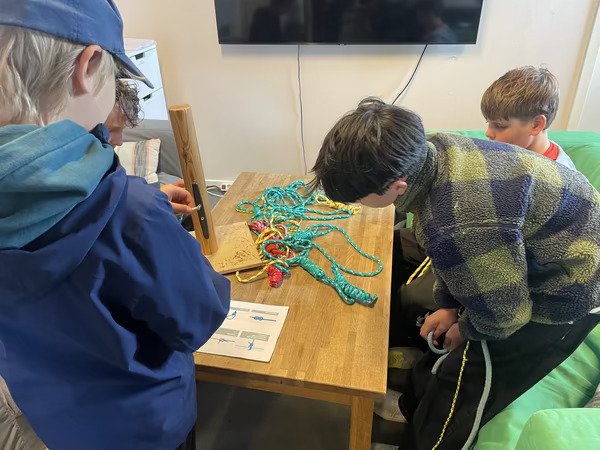
At KØS, we emphasize that children get to know each other and feel part of a team. Many strong relationships actually develop on land, before and after training, where there's time to talk, play, and laugh together.
We also organize communal meals after selected training sessions, where children, parents, and trainers gather in an informal and cozy setting. This strengthens camaraderie and provides opportunity to get to know each other better outside the water.
For many children, it's precisely the community and friendships that keep them in the sport for many years.
👥 Parents play an important role
As a parent, you don't need sailing experience to support your child well.
The most important thing is that you help your child arrive ready for training, show interest in their experiences, and have patience with the process. Sailing is a sport that takes time to learn, but in return gives experiences and skills that last a lifetime.
🚩 Good start
A good start isn't about technique or speed, but about the experience.
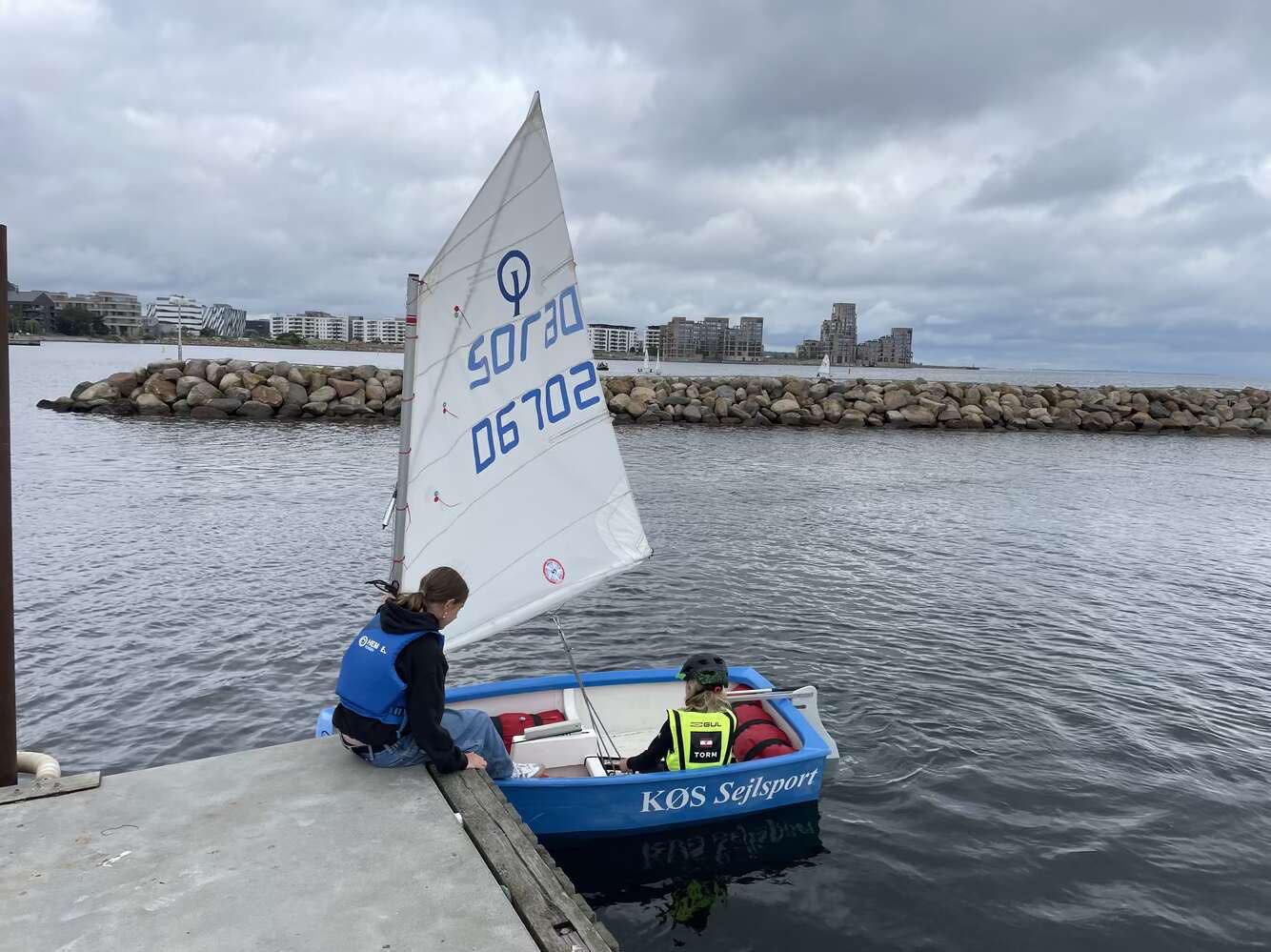
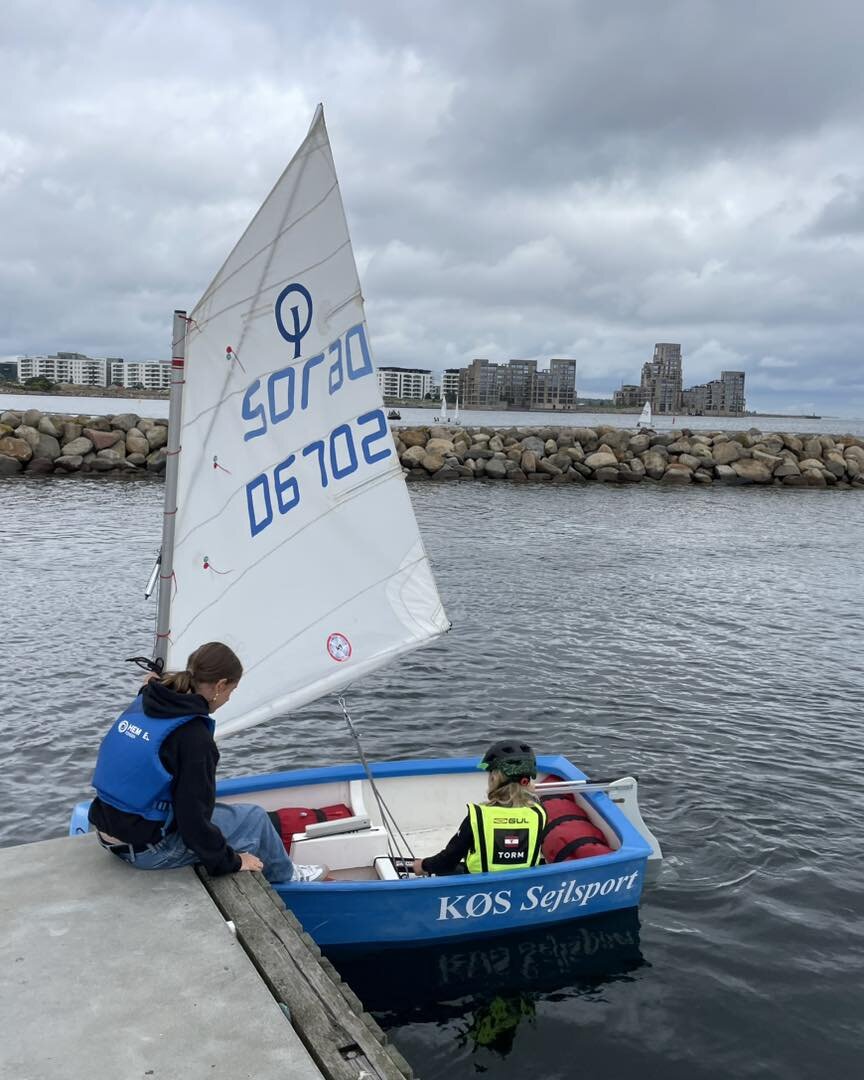
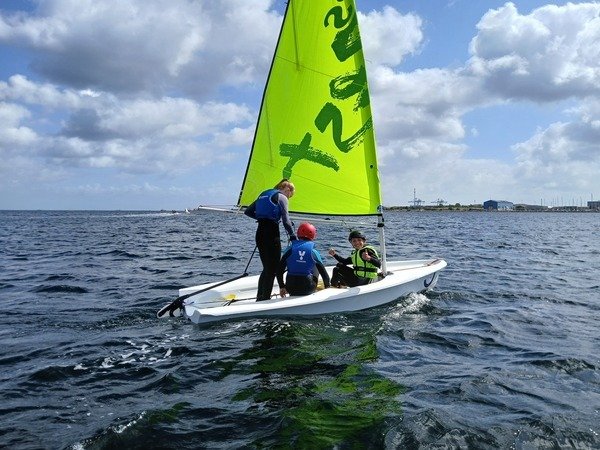
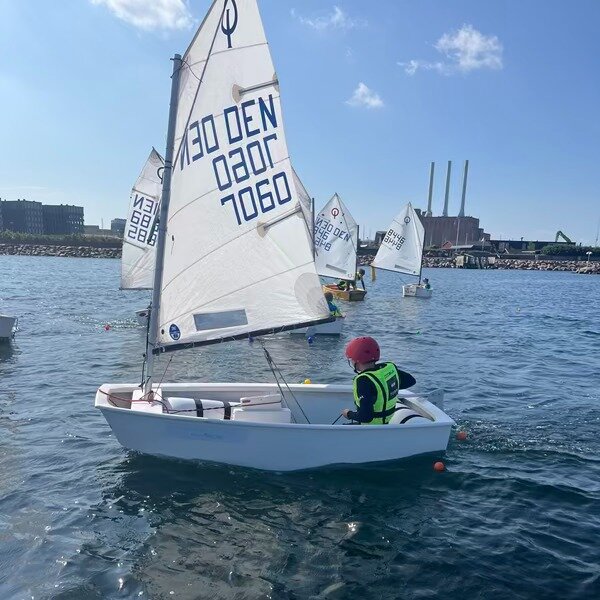
A good start is a safe start – it's not unusual that during the first few times one doesn't get a feel for wind direction, rudder, and sheet. Getting hit by the boom – which on Optimists can hit the head or shoulders. We have helmets that we recommend beginners to use – but a bicycle helmet is also great. Additionally, we have many options for sailing with half sail (slower, safer) – sailing with mast extension (higher boom) and in that way make the start safe and comfortable.
If your child feels safe, has fun, and wants to come back, then we're on the right track. 💙
Get started
Choose the team that fits age and experience